Key Points to Verify Before Your Niagara Helicopter Flight
Planning a helicopter ride over Niagara Falls is an experience that combines the raw power of the falls with the thrill of flight. The short journey from the landing pad to the mist and back again is packed with moments that stay with you long after you land. To get the most out of the trip, it helps to know what to check ahead of time.
This is not about finding the lowest price or the best deal. It is about making sure that when you board, you are comfortable, informed, and ready to enjoy the view. A little preparation goes a long way toward a smooth flight, whether you are a first-time flyer or someone who has been up before.
Check the Flight Route and What You Will See
Not every helicopter flight follows the same path. Some routes stick close to the American Falls and the Horseshoe Falls, while others extend farther down the Niagara Gorge. Ask about the exact route before you book. The difference matters because the angle of approach to the falls changes what you see from your window. A route that circles the basin gives you a full view of the mist and the rainbows, while a straight out-and-back run might miss some of the drama.
The best flights give you time to see the cascade from multiple sides. They also keep the altitude low enough that you feel the scale of the water. If the description says "panoramic tour," check how much time you actually spend over the water. Some short hops spend more time climbing and descending than they do hovering near the falls.
Understand the Aircraft and Its Layout
Most sightseeing helicopters are light turbine models, often a Bell 206 or a Robinson R44. These machines have different seating configurations. In some, the pilot sits in front and passengers sit behind. In others, the seats are arranged in a row. The position of your seat affects your view. A front-row seat gives you a clear view through the windshield. A back seat may have a narrower window or a view partly blocked by the seat ahead.

Before you confirm your booking, ask about the seating plan. If you are traveling with one other person, you might want to sit on the same side so both of you can look out the same window. If you are flying solo, a seat next to the pilot often gives the best sightlines. Some operators let you choose your seat when you check in, but many assign seats based on weight balance. Knowing this ahead of time prevents disappointment.
Look at Cockpit Visibility and Window Size
The size and shape of the windows matter more than you might think. Some helicopters have large plexiglass panels that wrap around the cabin, giving you an almost unobstructed view. Others have smaller windows set into the doors. If you are hoping to take photos, a big window makes a huge difference. You also want to check whether the glass is clear or tinted. Tinted windows can mess with camera colors and make it harder to see details in the mist.
Another factor is the position of the rotor blade. On some models, the main rotor sits low and can block part of the view from certain seats. This is not a problem for the overall experience, but if you are tall, you might find yourself ducking to see around it. Ask the operator about cockpit visibility. A good company will tell you honestly which seats have the best lines of sight.
Noise and Vibration: What to Expect
Helicopters are not quiet. The engine, the rotor blades, and the transmission all produce a steady sound that can be loud enough to make conversation difficult. Most sightseeing flights provide noise-canceling headsets. These headsets let you hear the pilot's commentary while blocking out the engine noise. If you are sensitive to loud sounds, check whether the operator offers noise cancellation or at least good passive ear protection.
Vibration is also part of the experience. A well-maintained helicopter will have a smooth ride, but some vibration is normal, especially during takeoff and landing. If you have a condition that makes vibration uncomfortable, mention it when you book. The operator can often seat you in a place that feels less of the shake.
When you are researching heli tours niagara falls, you will notice that different companies use different headset brands. Some are basic foam pads, others are full electronic noise-canceling units. If you wear glasses, the kind of headset matters because the ear cups need to seal around the frames. A quick call to ask about the headset type can save you an uncomfortable ride.
Check the Landing Pad and Access
The landing pad is where your flight begins and ends. Not all pads are the same. Some are on a rooftop, some are on a flat patch of grass, and some are on a concrete apron near the river. Each type has its own feel. A rooftop pad can give you a dramatic view as you lift off, but it can also feel exposed if you are nervous about heights. A ground-level pad is easier to access and feels more stable underfoot.
Ask about the walk from the check-in area to the pad. If you have mobility concerns, a long walk across gravel or grass can be tiring. Some operators offer a shuttle or a golf cart to take you to the pad. Others expect you to walk. Also check whether the pad is fenced off or open. A fenced pad is safer, especially if there are children in your group.
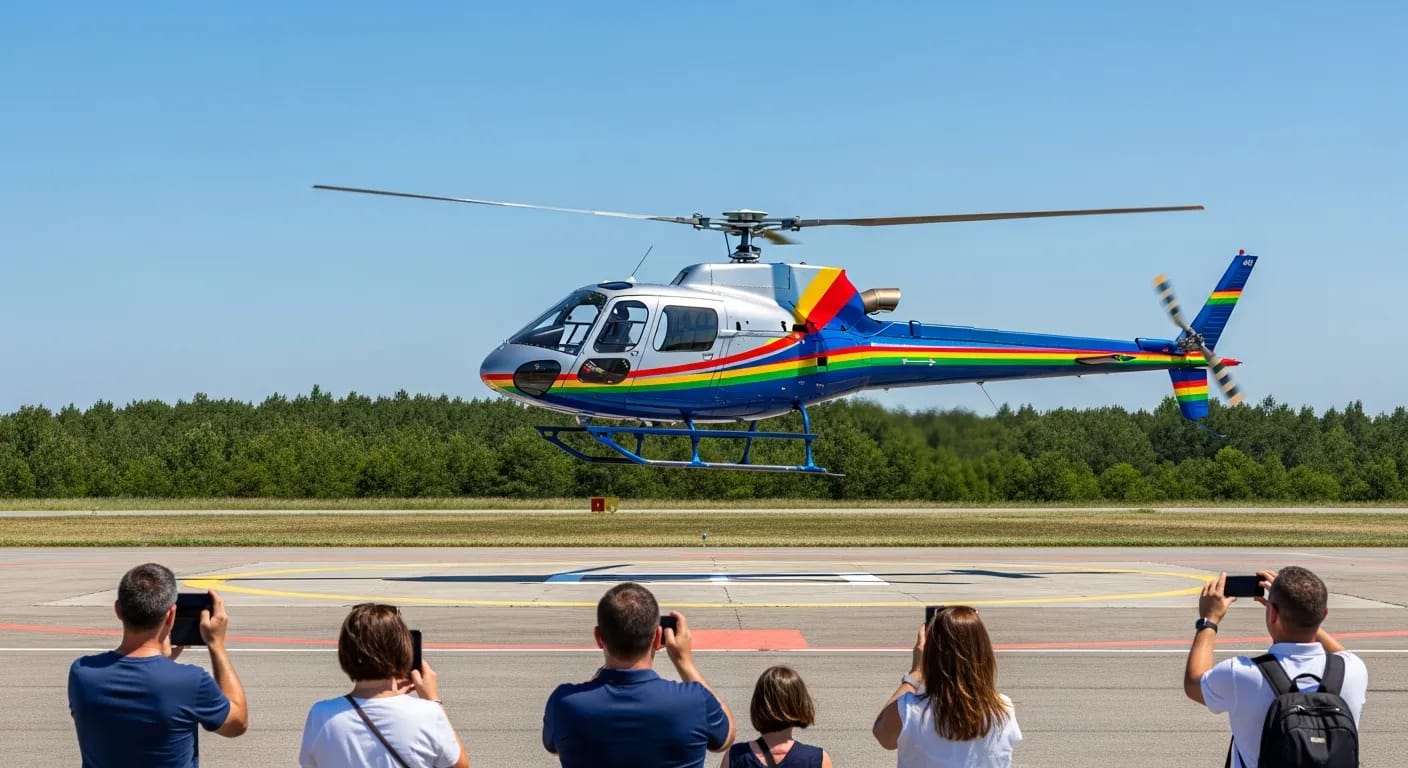
Weather conditions affect the pad as well. Rain can make the surface slick. Snow and ice require extra caution. The operator should have a clear policy about weather-related cancellations and how they handle refunds or rebookings. If the conditions look iffy, ask before you go.
Know the Flight Altitude and Air Traffic Rules
Helicopters flying near Niagara Falls operate within a busy airspace. There are commercial jets coming in and out of nearby airports, other sightseeing helicopters, and even drones in some areas. The pilot must get air traffic clearance before entering certain zones. This means the flight path is not always a straight line. You might circle for a moment before getting the go-ahead to cross the falls.
The flight altitude also varies. Most tours fly between 500 and 1500 feet above the ground. At the lower end, you feel close enough to the water to see the spray. At the higher end, the view is wider but less intimate. Ask what altitude the operator typically flies on the route you are considering. If you want to see the falls up close, a lower altitude is better. If you want a sweeping view of the entire gorge, a higher altitude works fine.
One more thing: the skid landing style of a helicopter means it can land on uneven ground, but most commercial pads are flat and level. This is a safety feature. If the pad looks tilted or uneven, that is a red flag. A reputable operator will maintain a level, well-drained surface.
Passenger Seat Comfort and Space
Helicopter cabins are compact. The passenger seat is not like a car seat. It is usually a bench or a bucket seat with a lap belt. If you are tall or broad, you might find the seat snug. Some helicopters have a weight limit per seat, and the total weight of passengers on each side needs to be balanced. If you are over a certain weight, the operator may ask you to sit in a specific position to keep the aircraft balanced.
Check the legroom as well. In some models, your knees are close to the seat in front of you. If you are claustrophobic, a front seat or a seat with extra legroom can make a difference. Also, consider the temperature inside the cabin. The helicopter's heater might not be powerful enough to keep you warm on a cold day, especially near the windows. Dress in layers so you can adjust.
When you look into heli tours niagara falls, pay attention to the weight and balance policies. Some operators weigh you at check-in. This is normal and nothing to be embarrassed about. It is for safety. The pilot needs to know the total weight to calculate the center of gravity and the power needed for takeoff. If you are asked to step on a scale, it is standard procedure.
Final Pre-Flight Checks
Before you board, do a quick mental run-through. Are you wearing closed-toe shoes? Loose items like hats and scarves can blow away or get caught in the rotor wash. Secure everything. If you carry a camera, use a strap that goes around your neck or wrist. The pilot will give a safety briefing. Listen to it. Even if you have flown before, each helicopter model has its own emergency procedures. Know where the emergency exit is and how to open the door.
Check the weather again on the morning of your flight. Fog, high winds, and thunderstorms can ground the helicopter. If the operator cancels due to weather, they should offer a refund or a reschedule. Do not push them to fly in unsafe conditions. A delayed flight is better than a risky one.
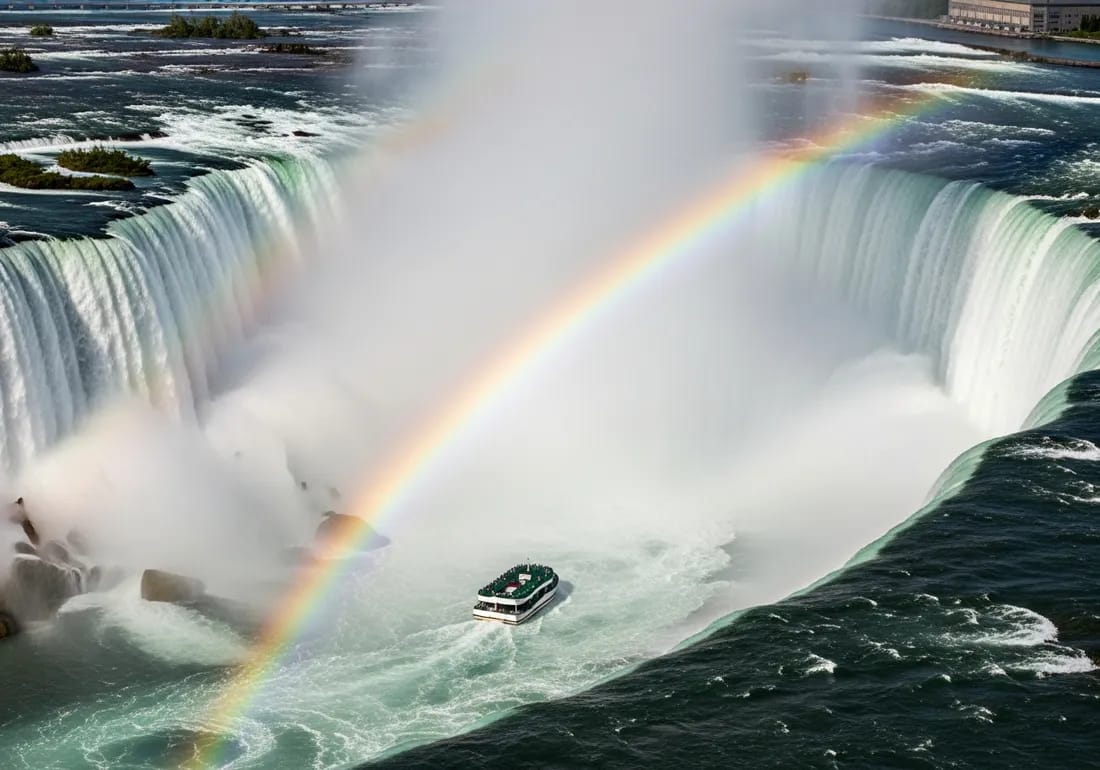
Finally, bring a sense of curiosity. The view from above Niagara Falls is unlike anything else. The mist rising, the roar of the water, the green of the river below - it is all there, waiting for you. A little preparation makes sure you see it without any hiccups.